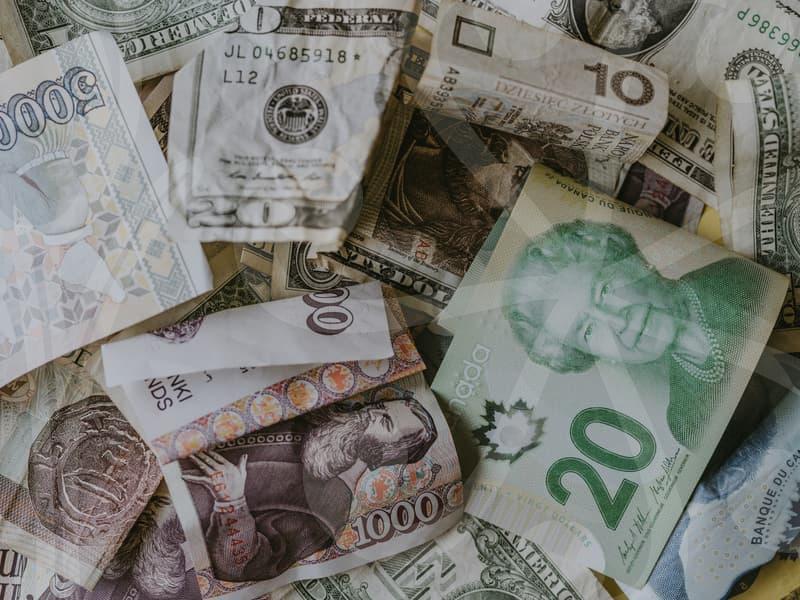
Google stock and the currency trap
Why Google stock feels simpler than it is.
Many people approach Google stock as if they are buying a clean technology story. Search, YouTube, cloud, artificial intelligence, and a balance sheet full of cash make the case look easy. From a distance, it seems safer than a young software name that still needs to prove its business model.
The problem starts when overseas investing is treated like ordinary domestic stock buying with a different ticker. When you buy Alphabet, you are not only choosing a company. You are also taking a view on the US dollar, on how long you can hold through earnings noise, and on whether advertising and AI spending can coexist without hurting margins.
A practical investor usually notices this only after the first few months. The stock may be flat, yet the account value still moves because the exchange rate moved first. That is the part many people underestimate, and it changes how Google stock should be judged.
Which Google stock are you even buying.
There is a basic decision that often gets skipped. Alphabet has at least two share classes that retail investors commonly see, GOOGL and GOOG. The business is the same, but the voting rights are not, so the difference is not cosmetic.
The step by step way to think about it is simple. First, check whether your broker lists both tickers clearly. Second, confirm whether your goal is pure economic exposure or whether you care about holding the class with voting rights. Third, compare the market price gap between the two, because sometimes the spread is small enough that you can just choose the more liquid or cheaper option on that day.
In daily practice, many long term investors end up treating the two as near substitutes. Even then, it is worth looking once instead of buying by habit. If two boxes contain the same machine but one box gives you a small legal difference, you should at least know which box you picked.
The foreign exchange effect is not a side issue.
This is where overseas investing becomes real. Suppose Google stock rises 8 percent over several months, but your home currency strengthens against the dollar by 6 percent during the same period. Your result after conversion can feel far less impressive than the stock chart suggested.
The reverse is also true, and that is why some investors think they were right about the stock when they were mostly helped by currency. A weaker home currency can make an average US stock purchase look brilliant. A stronger home currency can make a good stock decision feel like a mistake.
The cause and result sequence matters here. You exchange money into dollars, you buy the stock, the stock moves, the dollar moves, and only then do you see your true return. If you skip one link in that chain, your review of the investment becomes distorted.
This matters more with Google stock because many buyers hold it as a core position rather than a quick trade. A core position sits in the account long enough for currency cycles to matter. That means the foreign exchange decision is not separate from the stock decision. It rides in the same seat.
What should you watch before pressing buy.
A practical checklist helps more than broad market slogans. Start with the business engine. Google still earns a large share of its money from advertising, so you need to ask whether ad demand is stable, whether YouTube monetization is improving, and whether cloud growth is offsetting heavy AI investment.
Then compare three forces. One is valuation, meaning whether the market already priced in too much optimism about AI. Another is business durability, meaning whether search and ecosystem strength still protect the company. The third is capital discipline, because spending billions on data centers is exciting only when the returns show up later.
Here is a more grounded sequence. Read the latest earnings summary and note revenue growth, operating margin, and cloud profitability. Next, check whether management is spending more to defend the core business or to open a new profit pool. After that, look at the exchange rate and decide whether you are comfortable converting a lump sum now or splitting the purchase into three to five entries.
That last step is often the difference between a calm investor and a stressed one. If the stock drops after a full entry, the pain feels like a verdict. If you already planned staged buying, the same move looks like part of the process.
Google stock versus the easier alternatives.
Many people compare Google stock with broad US index funds. That is a fair comparison because an index fund removes single company risk and usually reduces the need to monitor each earnings call. The trade off is obvious. You gain diversification, but you lose the chance to benefit from a specific company executing better than the market.
The more interesting comparison is with other large technology names. Google is not the same type of bet as a pure chip maker or a pure electric vehicle story. It sits in a middle zone where mature cash generation supports long term investment in AI, which makes it less dramatic than some rivals and more resilient than many of them.
This is why mildly skeptical investors often stay interested in Google stock. It is not a glamorous turnaround story, and it is not a hope driven concept stock. It is closer to owning a large office building that still collects rent while renovating the upper floors for future tenants.
That does not make it automatically cheap or safe. Regulation, changes in search behavior, and AI competition can all reshape the earnings story. Still, if someone wants a single overseas technology name that can be understood without checking headlines every hour, Google usually belongs on the short list.
Who benefits most from buying it this way.
Google stock suits the investor who wants overseas exposure but does not want every position to feel like a high drama bet. It works best for someone who can separate company value from daily price noise and who accepts that exchange rates can temporarily hide a solid stock thesis. If you are building wealth over years, not chasing next week, that mindset helps.
There is also a limit that should be said plainly. If your cash needs are near term, or if you will feel forced to sell when the dollar moves against you, this approach is a poor fit. In that case, the next practical step is not buying Google stock today. It is deciding how much currency risk you can tolerate before any overseas order is placed.