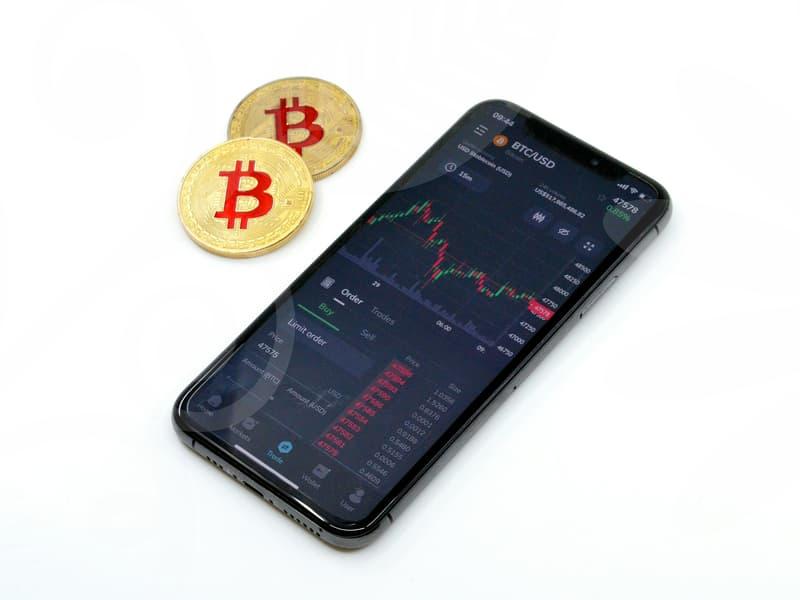
How to Read Overseas Futures Charts
Why overseas futures charts matter before the trade.
An overseas futures chart is not just a picture of price. It is the shortest record of how money, fear, and positioning met in a market where participants from different time zones react to the same contract for different reasons. A retail trader may look at crude oil for a breakout, while an airline treasury desk watches the same move as a cost problem.
That difference matters because the chart often moves before the explanation becomes popular. By the time a headline says the market is nervous about rates, dollar strength, or inventory data, the first wave is usually already printed on the screen. If you treat the chart as a late summary, you will enter late and manage risk poorly.
In practice, the chart becomes more important in overseas futures because the market trades almost around the clock. A move that starts during the US session can leave a gap in conviction by the Asian morning, and many traders confuse that pause with a reversal. It is often just a handoff between participants, not a change in the main direction.
What should you check first on an overseas futures chart.
The first step is contract identity. Many losses begin from looking at the wrong month, the wrong exchange, or a delayed feed. If you are studying Nasdaq futures, gold, or Treasury futures, make sure the chart matches the active contract and check when rollover is approaching, because volume can shift faster than price structure suggests.
The second step is time frame alignment. Start with the daily chart to see the broad trend, then move to the 60 minute chart for structure, and only after that open the 5 minute chart for execution. Traders who reverse that order often become too sensitive to noise. A small candle looks dramatic up close, but inside a daily range it may mean nothing at all.
The third step is session context. Mark the prior day high and low, the cash open, and any scheduled data release such as US CPI, payrolls, or an FOMC announcement. A contract can spend two hours looking stable and then move 1 percent in a few minutes once the event hits. Without that context, a trader starts blaming the strategy when the real issue was timing.
One simple routine works well. Spend three minutes on the daily chart, three minutes on the intraday structure, and two minutes marking levels before the order window opens. Eight minutes is not a grand research process, but it is enough to avoid the most common chart reading mistakes.
Trend, range, and false breakout are not the same problem.
A trending market rewards patience. A ranging market rewards restraint. A false breakout punishes both impatience and overconfidence, which is why many intermediate traders lose money there even when their market view is broadly correct.
Here is the practical distinction. In a trend, pullbacks tend to stop above prior support in an uptrend or below prior resistance in a downtrend, and volume often expands when the main direction resumes. In a range, price repeatedly returns to the middle after testing both edges, which means chasing candles near the extremes usually gives poor entries.
A false breakout has its own rhythm. Price pushes through a visible level, attracts breakout traders, fails to hold, and then snaps back through the level with more urgency than the initial move. Think of it as a door that opens just enough to invite people in and then slams shut. If you have watched overseas futures around US economic releases, you have probably seen this sequence many times.
The cause and result chain is worth remembering. Crowded positioning leads to fragile conviction. Fragile conviction leads to fast exits when the breakout does not follow through. Those exits become fuel for the move in the opposite direction. The chart does not lie, but it does trap anyone who reads shape without reading participation.
How specialists actually use the chart during decision making.
In real trading, the chart is rarely used alone. An investment specialist usually combines it with dollar direction, bond yield movement, macro calendar risk, and product specific drivers. For example, if the US two year yield climbs while equity futures stall under resistance, the chart setup is not isolated noise. It may be telling you that rate sensitivity is returning to the market.
Execution decisions are often made in a sequence. First comes the directional bias from higher time frames. Next comes the trigger level, such as a retest of a breakout zone or a rejection from overnight high. Then comes the invalidation point, because a chart without a risk line is just an opinion.
This is where many private traders become too optimistic. They spend ten minutes finding an entry and ten seconds deciding stop placement. A cleaner process is to define the stop first, then calculate position size, and only then decide whether the trade is still worth taking. If the chart requires a stop so wide that one loss would damage your weekly plan, the trade is not attractive even if the idea sounds smart.
A familiar example is the E mini S and P 500 future on a US inflation day. Before the release, the chart may compress into a narrow range of 20 to 30 points. After the number, that same contract can travel 50 points quickly. The trader who read only the pre release candles sees chaos. The trader who planned for event expansion sees structure.
Which indicators help and which ones waste time.
Most traders do not need many indicators on an overseas futures chart. Two or three are enough if each one answers a different question. A moving average can help define trend direction, volume can show whether participation is broadening, and an ATR style volatility measure can warn that your normal stop distance is no longer realistic.
Problems begin when indicators overlap. If you place three momentum tools under the chart, they usually tell the same story with a small delay difference. That feels thorough, but it often creates hesitation at the exact moment when the trade decision should be simple. More confirmation is not always more clarity.
Comparison helps here. Price action tells you what the market is doing now. A moving average tells you where the average participant has been leaning. An oscillator may help show exhaustion, but in a strong trend it can stay overbought or oversold longer than most traders expect. The chart should lead and the indicators should support, not the other way around.
A practical setup for many people is minimal. Keep one trend reference, one volatility reference, and clean horizontal levels from prior sessions. If your chart looks crowded enough to need a second monitor just to understand the first monitor, the problem is not the market.
Who benefits most from reading overseas futures charts this way.
This approach fits people who make repeated decisions under time pressure and need a disciplined framework more than a heroic prediction. It is especially useful for traders and globally exposed investors who must interpret overnight movement in equity index futures, energy, metals, or rates before local markets open. The chart becomes a filter for what deserves attention and what should be ignored.
There is still a limit. A good chart read cannot protect someone who uses too much leverage or trades products they do not understand. Overseas futures react fast, margin pressure is real, and a technically correct view can still lose money if the position size is wrong.
That is why the biggest advantage of studying overseas futures charts is not forecasting. It is reduction of avoidable mistakes. If this method suits you, the next practical step is simple: pick one contract, review the daily and 60 minute chart at the same time each day for two weeks, and record how price behaves around one recurring event. If you are unwilling to do that level of repetition, a slower instrument such as a broad ETF may fit you better.