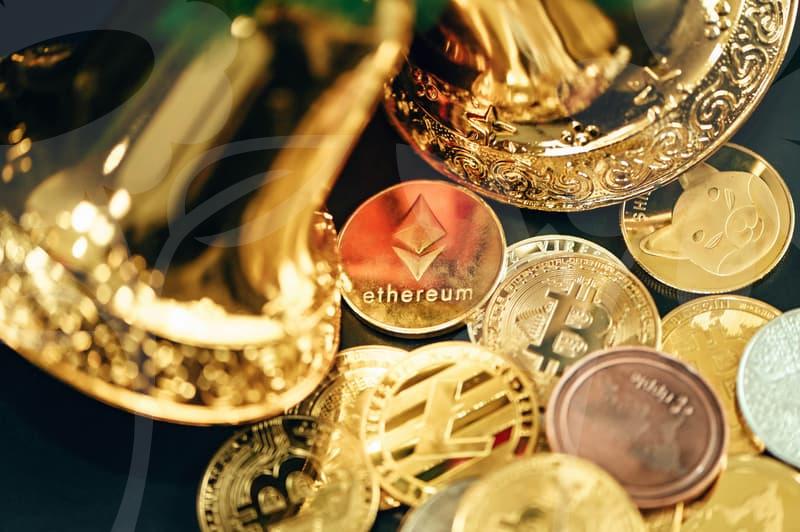
How exchange fees quietly cut returns
Why exchange fees matter more than most investors expect.
Many people notice a stock commission because it is printed clearly on the trade screen. Exchange fees are different. They often hide inside the spread, a posted service fee, or a preferential rate that sounds generous but still leaves room for cost. When someone buys a US stock with 10,000 dollars, a gap of just 1 percent already means 100 dollars gone before the investment thesis has a chance to work.
This becomes more serious in overseas investing because currency conversion happens at the entrance and often again at the exit. A person may convert local currency into dollars, buy shares, sell later, and convert back. If the market return is 6 percent for the year but the round trip currency cost eats 1.5 percent to 2 percent, the result feels less like investing and more like dragging a suitcase uphill on a moving walkway.
A lot of investors focus on whether Nvidia, Apple, or an index fund will rise next quarter. Fewer stop to ask a simpler question. How much of my return is being lost before the first share is even settled. In practice, this question matters most for steady investors who add money every month, because repeated small conversions can accumulate into a larger leak than one big annual trade.
What makes the fee look small at first and expensive later.
The first trap is the language used by banks, brokerages, and travel cards. A platform may advertise a 90 percent or 100 percent preferential exchange rate, yet the base rate from which that discount is measured is not always the mid market rate people see on finance apps. That difference is where many users misjudge the true cost. The number looks neat on the banner, but the amount that leaves the account tells the real story.
The second trap is transaction frequency. Imagine an investor sending 1,000 dollars equivalent every month into a foreign brokerage account. If the hidden cost is only 0.8 percent each time, the annual friction is not just a one off annoyance. It becomes a recurring reduction in capital, roughly the cost of several extra shares in a broad market fund over a year, and more over five years.
There is also a timing issue. Exchange fees hurt more when the investor keeps changing direction. Buy dollars when the local currency feels weak, sell back when cash is needed, then re enter later. The cause and result are straightforward. More conversions create more fee events, more fee events lower investable principal, and lower principal reduces the compounding base that long term investing depends on.
How to compare exchange costs before sending money abroad.
A practical comparison takes four steps. First, check the reference rate used by the provider at the exact time you plan to trade. Second, look at the final amount of foreign currency you would receive after all discounts and stated charges. Third, check whether the same institution charges again when you convert back. Fourth, include any overseas card use fee, remittance fee, or ATM fee if your money flow involves travel spending as well as investment.
This is where many people get tripped up. They compare only the front end promotion and ignore the full path. One service may offer free exchange on major currencies but recover money through card settlement spreads or weak weekend rates. Another may look less flashy but give a tighter effective rate during market hours, which matters more for someone funding a brokerage account on a schedule.
The easiest way to test this is not with marketing phrases but with a fixed amount. Use the same sample, such as the local currency equivalent of 3,000 dollars, and compare the final dollars credited across two banks, one securities firm, and one travel card service. In ten minutes, the numbers usually become clearer than any advertisement. This simple side by side check often saves more than the time spent doing it.
Banks, brokerages, and travel cards do not solve the same problem.
Banks are familiar and stable, which is why many first time overseas investors start there. They can be reasonable for larger planned conversions, especially when the customer qualifies for a strong preferential rate. The drawback is that convenience can create complacency. A person sees the bank app, trusts the name, and assumes the pricing must be fair enough.
Brokerages are often better aligned with investment flows because the money is being converted for securities settlement rather than travel spending. Some firms run aggressive campaigns with zero selling commission on foreign stocks or full preferential treatment on conversion proceeds. That can be meaningful, but investors still need to verify the duration, eligible currencies, and whether the benefit applies automatically or only after event registration.
Travel cards occupy a different lane. They can be useful for people who both invest abroad and spend overseas regularly, because fee waivers on card use and ATM withdrawals reduce friction outside the brokerage account. Still, a travel card is not automatically the best funding route for stock purchases. It is built for payments and cash access, not always for moving large sums into an investment account at the best effective rate.
A common real world example is the person preparing for a Japan trip while also adding to US stocks. It is tempting to keep everything in one convenient card ecosystem. Sometimes that works. Sometimes separating purposes works better, with one route for investment funding and another for travel expenses, because the cheapest yen conversion is not always the cheapest dollar conversion.
When lower exchange fees improve returns and when they barely matter.
Lower exchange fees matter most in three situations. They matter when the investor contributes regularly, when average trade size is modest, and when expected portfolio returns are not extremely high. If someone is building a long term ETF position with monthly transfers, shaving even 0.5 percent from currency conversion has a visible effect over years because every saved amount remains in the market and compounds.
They matter less when the investor converts once, invests for a long period, and does not expect to reverse the currency soon. In that case, asset performance and exchange rate movement may dominate the outcome more than the upfront fee. This is why some people over optimize a tiny difference in conversion cost while ignoring a larger mismatch between their investment horizon and their chosen product.
There is also a psychological benefit. Lower friction encourages discipline. An investor who knows that each transfer is not being clipped too hard is more likely to keep a monthly plan. The one who feels nickeled and dimed at every step often delays transfers, waits for a perfect rate, and ends up with cash sitting idle for weeks.
The practical choice is not the cheapest service in theory.
The best approach is usually the one that stays cheap enough across repeated use and matches how money actually moves in your life. A professional sending funds abroad for long term investing may prefer a brokerage linked conversion path with predictable rates and fewer manual steps. A frequent traveler who also invests may accept a slightly wider spread in exchange for simpler overseas use, free withdrawals, or smoother app management.
There is an honest trade off here. Chasing the absolute lowest exchange fee can cost time, attention, and sometimes flexibility. If saving 0.2 percent requires multiple transfers, limited service hours, or awkward account rules, the benefit may not justify the hassle for a small portfolio. For someone moving larger sums or investing every month, though, the arithmetic changes fast and the comparison becomes worth doing.
This information helps most when a person already invests abroad or is about to start and expects repeat currency conversion rather than a one time trip expense. It applies less to someone making a single small exchange for travel cash and then forgetting about foreign assets for a year. The practical next step is simple. Compare one fixed amount across your current provider and two alternatives, then decide whether your present setup is saving money or only saving thought.