

Why Diversify Your Global Portfolio?
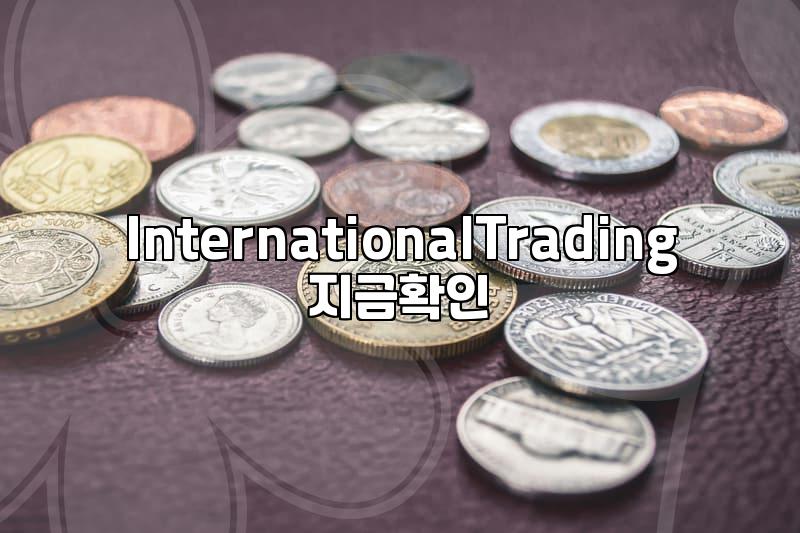
Building a resilient investment portfolio often means looking beyond domestic borders. A global portfolio isn’t just about chasing higher returns; it’s a strategic approach to managing risk in an increasingly interconnected world. When we talk about a global portfolio, we’re essentially discussing how to spread your investments across different countries, asset classes, and currencies to smooth out volatility and capture opportunities wherever they arise.
Many investors instinctively stick to what they know, which usually means their home market. However, relying solely on domestic assets can expose you to significant country-specific risks. For instance, a sudden economic downturn or political instability in your home country could devastate your entire portfolio. This is where a well-constructed global portfolio becomes crucial.
The Core Principle: Don’t Put All Your Eggs in One Basket
The fundamental idea behind a global portfolio is diversification. Think of it like a farmer not planting only one type of crop. If a disease hits that specific crop, the entire harvest is lost. Similarly, if a single industry or country faces challenges, a diversified portfolio is less likely to suffer catastrophic losses. For example, during the dot-com bubble in the early 2000s, investors heavily concentrated in tech stocks saw their portfolios wiped out. Meanwhile, those with a more globally diversified approach, including exposure to other sectors and regions, likely weathered the storm much better.
Diversification within a global portfolio can take many forms. It means investing in different geographic regions – North America, Europe, Asia, emerging markets – and across various asset classes like stocks, bonds, real estate, and even commodities. The goal is to find assets that don’t always move in the same direction. When one part of your portfolio is down, another might be up, helping to cushion the overall impact.
Building Your Global Portfolio: A Step-by-Step Approach
Creating a sensible global portfolio involves more than just picking a few international stocks. It requires a thoughtful process, especially when considering the impact of foreign exchange rates on your returns. Here’s a practical way to approach it:
-
Define Your Investment Goals and Risk Tolerance: Before anything else, be clear about what you want to achieve – retirement, a down payment, or simply wealth growth. How much risk are you comfortable taking? This will dictate the allocation between higher-growth, potentially more volatile assets, and more stable ones.
-
Determine Asset Allocation: Based on your goals, decide the mix of asset classes. A common starting point for a balanced portfolio might be 60% stocks and 40% bonds, but this needs to be adapted for a global context. For instance, you might allocate 40-60% to global equity ETFs, 20-30% to domestic equity ETFs, and 20-30% to bond ETFs, as suggested for retirement savings.
-
Geographic Diversification: Within your equity allocation, spread your investments across developed and emerging markets. Don’t over-concentrate in one region. For example, instead of putting all your international equity into a single country’s ETF, consider a broad-based ETF that covers multiple regions like the MSCI World Index or emerging market indices.
-
Currency Considerations: Foreign exchange (forex) is an inherent part of global investing. Fluctuations in currency can either boost or erode your returns. For instance, if you invest in US stocks while holding Korean Won, and the Won strengthens significantly against the Dollar, your returns will be reduced when converted back to Won. Conversely, a weakening Won could enhance your returns. Some investors choose to hedge currency risk, while others accept it as part of the global investment landscape, believing long-term currency movements average out or that currency diversification itself is beneficial.
-
Select Investment Vehicles: For most individual investors, Exchange Traded Funds (ETFs) are an efficient way to gain diversified exposure to global markets. There are ETFs for broad global indices, specific countries, and various asset classes. For example, an investor might choose a Vanguard Total World Stock ETF (VT) for broad equity exposure or specific country ETFs if they have a conviction about a particular market.
The Trade-off: Complexity vs. Resilience
The primary trade-off when building a global portfolio is the increase in complexity. Managing investments across different markets means dealing with varying regulations, tax implications, and market dynamics. You also have to contend with foreign exchange risk, as mentioned. This is a stark contrast to simply investing in a single domestic fund.
For instance, a common mistake is overlooking the foreign exchange impact. An investor might see a 10% return in their US-based international fund. However, if the Korean Won appreciated by 5% against the US Dollar during the same period, their actual return in KRW terms would be closer to 5%. This can be a significant disappointment if not anticipated.
Another downside is the potential for higher fees. While broad-market ETFs are generally cost-effective, investing in numerous niche international funds or actively managed funds can accumulate costs. It requires more diligence to ensure your overall expense ratio remains reasonable. The time commitment to research and monitor these diverse assets also increases.
Who Benefits Most from a Global Portfolio?
A global portfolio is most beneficial for investors with a medium to long-term investment horizon who are seeking to manage risk effectively and potentially enhance returns through diversification. It’s particularly suited for those who understand that markets are cyclical and that opportunities can exist anywhere in the world. Individuals who are risk-averse to concentrated domestic market risk will find comfort in this approach.
However, it might be less ideal for very short-term investors or those who prefer extreme simplicity and are comfortable with their home country’s economic outlook. If you’re only investing a small amount, the added complexity and potential forex nuances might not outweigh the benefits of basic diversification within your domestic market initially.
For those looking to get started, researching broad-market global equity ETFs from reputable providers like Vanguard, iShares, or Schwab is a sensible first step. Always check the latest fund prospectuses for holdings and expense ratios. Understanding the role of currency within your chosen investments is key to managing expectations. The ultimate goal is a portfolio that can navigate global economic shifts more smoothly.



I’ve been looking into currency risk myself – it’s surprisingly complex how fluctuations impact returns across different regions.
That example with the farmer really stuck with me – it’s such a clear way to explain the benefit of spreading risk. I hadn’t thought about it quite that way before.