
Watching the exchange rate board at work was a mistake
Checking the bank app during lunch break
I probably check my banking app way too often. It started when I was trying to figure out if I should move some extra cash into a dollar-denominated account. Everyone was talking about how the won-dollar exchange rate was hitting these weird peaks, and for a while, I felt like I was losing out by just keeping everything in my local savings account. I remember staring at the screen while waiting for my coffee at a cafe near Gwanghwamun. The exchange rate was jumping around so much that it felt like watching a heartbeat monitor that was having a panic attack. It wasn’t even a large amount of money, but the sheer volatility made me feel like I needed to do something, or at least watch it closely.
Why local portfolio management feels exhausting
I noticed recently that it’s not just me. Even the news is obsessed with these ‘speculative bets’ on the won falling. It’s strange how something as boring as currency exchange turns into a high-stakes guessing game. I tried to look into some global exchange portfolios to see if there was a simpler way to hedge, but the more I read, the more I got confused. There are these massive venture firms like OKX Ventures picking up shares in local exchanges, and then suddenly a project gets listed, and the whole market reacts in a way that feels completely disconnected from actual value. I spent about three hours one Saturday trying to understand how the listing criteria for a domestic exchange like Coinone intersects with global capital flows. I didn’t reach a clear answer, and honestly, I probably just wasted my weekend.
The pressure of the energy and tech pivot
It’s not just the currency, either. You look at companies like Doosan or the way Chinese solar manufacturers are pivoting into energy storage systems, and it feels like the whole industrial landscape is shifting under my feet. I saw a report about how these large manufacturers are diversifying their portfolios to survive the supply gluts. Meanwhile, I’m sitting here worrying if my modest investment in a few tech ETFs is going to be wiped out because of some geopolitical shift I don’t fully understand. It’s a weird feeling, knowing that these massive, billion-dollar movements are what ultimately decide if my small retirement stash grows by a percent or two.
Trading volatility instead of value
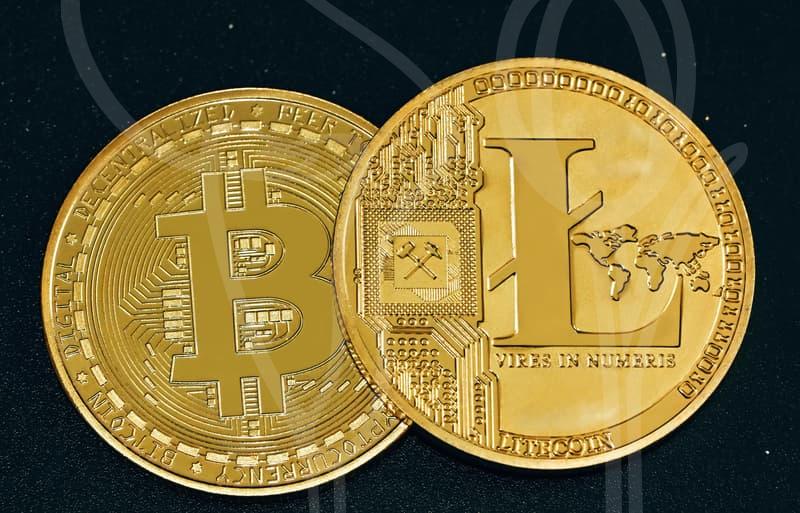
I even looked into those Bitcoin volatility indices on the CME for a split second. The idea of betting on how ‘wild’ the market gets rather than whether it goes up or down sounded smart in a really cynical way. But then I realized that if I’m betting on volatility, I’m basically just gambling on chaos. I remember thinking, ‘maybe I should just put this into a boring, low-interest bond fund and be done with it.’ But then the exchange rate spikes again, and I’m right back to refreshing the app. I haven’t moved a single cent yet. I’m still just watching the numbers change, feeling that same familiar, unproductive anxiety about whether I’m missing a ‘global opportunity’ or just overcomplicating my life.
The lingering feeling of being underprepared
I keep telling myself that if I just wait for the right moment—when the rates stabilize or when the market ‘corrects’—I’ll be able to make a move that makes sense. But the truth is, the market doesn’t seem to care about my timing. Whether it’s the Korean banks or the big global players, they all have these intricate roadmaps that assume a level of certainty I definitely don’t have. I’m still sitting on my initial capital, and every time the phone pings with a market alert, I feel that same urge to adjust my portfolio, even though I have no idea what that would actually achieve.

The CME volatility indices are a fascinating trap; it’s almost like acknowledging you’re trying to predict something inherently unpredictable.
That heartbeat monitor feeling is so relatable. It’s almost like the constant updates create a demand to react, even when there’s no logical reason to adjust.