
Why Direct Foreign Stocks Investment Is Often Better Than Funds
Why Direct Foreign Stocks Investment Is Better Than Buying Funds
Many investors struggle to decide between choosing individual foreign stocks or opting for packaged funds. While funds provide a sense of security through professional management, the inherent cost structure creates a significant drag on long-term performance. Management fees often hover around 1.5 percent annually, which acts like a hidden tax on your capital regardless of market movement. If you hold an investment for ten years, this compounded fee will silently erode a substantial portion of your total returns compared to a direct approach.
Choosing your own foreign stocks requires more discipline, but it removes the middleman who might not share your specific risk tolerance. You become the sole decision-maker for your portfolio, avoiding the confusion of tracking multiple fund managers who often rotate assets in ways that baffle individual shareholders. Transparency is a major advantage here. When you own a share directly, you can easily look up quarterly financial statements or management changes without waiting for an opaque fund report to arrive in your inbox three months later.
Step-by-Step Guide to Executing Your First Purchase
Transitioning to direct ownership of foreign stocks requires a clear sequence of actions to minimize errors. First, open a brokerage account that supports international trading and enable currency conversion services within the app. Most modern platforms allow you to set up automatic foreign exchange triggers, which helps in avoiding the manual task of guessing the best time to swap your currency. Once the account is funded, search for the ticker symbol of your target company rather than just browsing market news blindly.
After locating the stock, review the current price and check the historical chart for at least the past two years to understand its volatility profile. Place a limit order instead of a market order to ensure you do not buy at an unfavorable price during a high-volatility spike. Finally, keep a simple ledger of your purchase dates and exchange rates to prepare for future tax obligations. Maintaining this record from day one saves hours of headache during the annual filing season.
Understanding the Hidden Cost of Currency Fluctuation
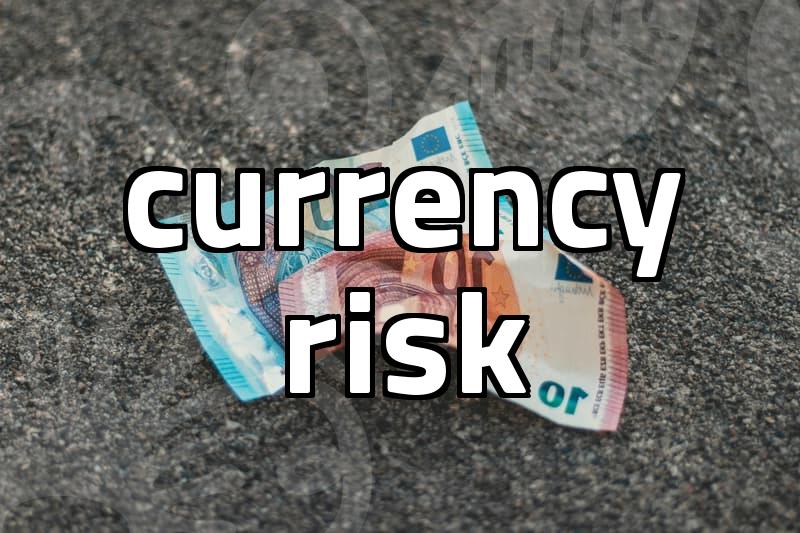
Currency risk is a factor that many investors underestimate when venturing into international markets. When you invest in foreign stocks, you are effectively taking two bets simultaneously: one on the company performance and another on the strength of the dollar against your domestic currency. If the company grows by five percent but the local currency strengthens significantly against the dollar, your actual profit in domestic terms might be wiped out entirely. This is why timing your entry into foreign assets often involves looking at both the equity valuation and the current exchange rate.
Consider the scenario where an investor buys a stock when the exchange rate is at a historical peak. Even if the underlying company performs exceptionally well, the eventual conversion back to local currency will result in diminished returns. Investors who succeed in this space do not just analyze profit margins or revenue growth. They keep a close eye on interest rate differentials and trade balances, as these factors dictate the long-term trend of the exchange rate. It is a dual-layered analysis that requires more focus than investing in local assets.
Comparison of Holding Structures
Comparing direct foreign stocks to holding through American Depositary Receipts or specific exchange-traded products reveals a trade-off in accessibility and tax efficiency. Direct ownership is usually the cleanest path for long-term growth, as you are not subject to the underlying fees of an ETF or the occasional management issues associated with ADRs. ADRs are certificates representing shares of foreign companies, but they can sometimes trade at a premium or discount compared to the local price, adding an unnecessary layer of market noise. In contrast, purchasing the actual stock gives you clear, undeniable ownership of your asset without tracking error risks.
However, direct investing demands an active interest in the governance of the companies you own. You should evaluate their shareholder return policies, such as dividends and share buybacks, rather than just chasing hype. A company that prioritizes its shareholders is usually a safer bet than one with a complicated, layered holding structure. When evaluating a potential investment, look at the parent entity and its subsidiaries to ensure that you are not buying into a company with a messy, non-transparent governance model. Simple is almost always better when it comes to capital allocation.
Navigating the Trade-offs of Self-Directed Portfolios
Taking full control of your foreign stocks portfolio is not for everyone. The biggest limitation is the time required to stay informed about international news, regulatory changes, and specific market events. If you prefer a hands-off experience, the effort required to keep your portfolio balanced might feel like a chore rather than a hobby. Direct investment is most beneficial for those who view capital management as a core part of their financial life rather than a passive savings account.
If you are unsure where to start, begin by searching for the latest quarterly earnings transcripts of your favorite companies. This will give you a concrete idea of how management views their own future and whether their goals align with your own. Always remember that direct investment works best when your time horizon exceeds five years. Avoid making impulsive decisions based on daily news cycles, as these often create more noise than signal. The best next step is to research your brokerage platform’s specific fee structure for foreign currency exchange to avoid unnecessary slippage during your first transaction.




That observation about exchange rates is really key. It’s so easy to get caught up in company performance and miss the fundamental currency play that can completely shift the value.
That’s a really helpful point about currency fluctuation – I hadn’t fully appreciated how much of a drag it could be, even with a good company performing well.
That’s a really interesting point about the compounded fees eating into returns. I’ve noticed how quickly those small percentages add up when you’re invested long-term, it’s almost like a silent drain.