

Realistic QQQ stock forecast and strategic asset allocation for investors
Analyzing the current QQQ stock forecast through market volatility
Many investors view the QQQ stock forecast as a simple extension of current trends in the Nasdaq 100. However, relying solely on recent AI-driven rallies is a dangerous shortcut. When looking at the index, one must distinguish between the underlying structural growth of the top 10 companies and the speculative inflow that often bloats prices. If NVIDIA or Microsoft face a correction due to interest rate pressures, the index inevitably experiences a drag that few retail investors fully model into their expectations. The current market reality is not just about betting on tech dominance, but about understanding how index weighting limits your upside during sectoral rotations.
Step by step process for evaluating index-based investments
To build a position in QQQ, one should follow a disciplined approach rather than chasing price action. First, check the current top-holding concentration; if the top five companies account for over 40 percent of the index, you are effectively buying a concentrated tech fund rather than a broad market basket. Second, compare the expense ratio against the net asset value of similar alternatives. Third, analyze the delta between the index movement and the individual sector performance of the semiconductor or software groups. Finally, execute a dollar-cost averaging plan over at least a six-month period to neutralize the impact of daily foreign exchange fluctuations.
How the QQQ stock forecast compares to individual sector ETFs
Comparing QQQ to niche ETFs like SOXX or SMH reveals a classic trade-off between stability and beta. While QQQ offers a buffered experience due to its diversification into retail and healthcare, it lacks the aggressive growth potential of focused semiconductor portfolios. Investors often make the mistake of over-allocating to QQQ when they actually crave the volatility of AI-centric hardware stocks. If you are looking for an 8 percent annual return with manageable risk, the broad index is sufficient. If you believe specific supply chain bottlenecks in the AI space will dictate the next decade, you might find the index weight too diluted for your personal goals.
Managing the impact of foreign exchange on long term returns
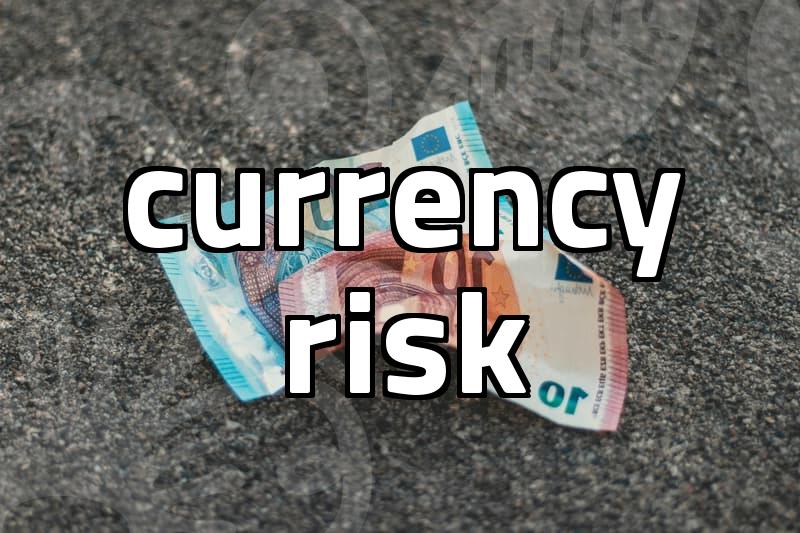
Foreign exchange remains the silent killer of overseas investment performance for domestic investors. Even if the QQQ stock forecast remains positive, a sudden strengthening of the local currency against the dollar can erase months of stock gains. I typically advise keeping at least 15 percent of an overseas portfolio in liquid cash or currency-hedged instruments to mitigate this risk. You must calculate your break-even point not just by the index price, but by the adjusted basis after factoring in the currency conversion cost and management fees. Ignoring these details is the most common reason for disappointment when checking your account statement after a period of positive market growth.
Strategic conclusions and the reality of index investing
Investors who expect the QQQ stock forecast to guarantee continuous double-digit returns are setting themselves up for a difficult realization. The index is a tool for long-term compounding, not a vehicle for quick gains during high-volatility events like a Producer Price Index shock. This approach is most beneficial for those who lack the time to analyze individual company earnings reports every quarter but want exposure to high-growth US firms. Before moving forward, I recommend checking the latest fund prospectuses on the official Invesco website to identify any recent shifts in portfolio composition. If you want to refine your strategy further, try searching for the current correlation coefficients between the Nasdaq 100 and long-term government bond yields to understand your downside risks.


That’s a really helpful way to frame the QQQ versus niche ETFs. I hadn’t considered how the desire for higher volatility could lead investors to overestimate the need for such a diversified fund.